Introduction to the Trump Greenland Debate
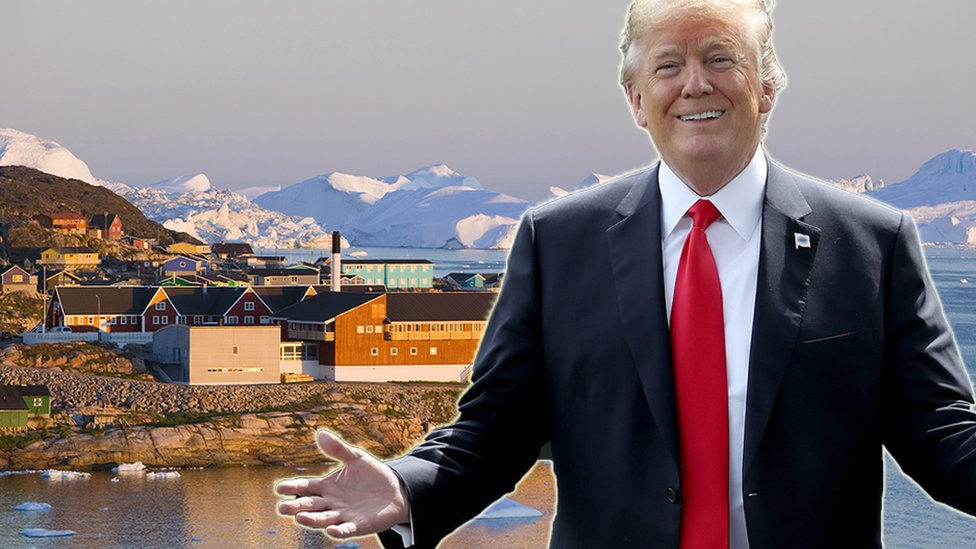
The phrase Trump Greenland quickly captured global attention. The proposal sparked debate across political and economic circles. Many experts immediately analyzed its geopolitical impact. Meanwhile, media outlets explored the strategic value of Greenland.
Greenland holds immense natural resources and strategic location advantages. Therefore, global powers closely watch developments in the Arctic region. The discussion about purchasing Greenland surprised many leaders. However, the idea highlighted growing competition for Arctic influence.
Why Greenland Matters Strategically
Greenland sits between North America and Europe. Consequently, it holds major strategic importance for defense and trade routes. The Arctic region continues gaining attention due to melting ice.
Melting ice opens new shipping routes across northern waters. As a result, countries seek influence over emerging Arctic pathways. Greenland also contains valuable mineral resources.
For example, the island has rare earth minerals and untapped energy reserves. Additionally, the region provides opportunities for future infrastructure projects. These resources make Greenland highly attractive for global investors.
Economic Potential Behind the Trump Greenland Interest
Economic potential played a key role in the Trump Greenland proposal. Natural resources could support long-term economic growth. Furthermore, mining opportunities could strengthen supply chains.
Rare earth minerals support electronics, renewable energy, and defense technologies. Therefore, global industries value access to these materials. Greenland may also support energy exploration.
Oil and gas deposits remain largely unexplored. However, environmental concerns influence many decisions regarding extraction. Meanwhile, tourism continues growing steadily in the region.
Tourism generates revenue and promotes local development. As a result, Greenland’s economy continues evolving gradually.
Political Reactions to the Trump Greenland Proposal
The Trump Greenland proposal triggered mixed political reactions worldwide. Denmark quickly rejected the idea of selling the territory. Nevertheless, the conversation created lasting diplomatic discussions.
Greenland holds autonomous status under the Kingdom of Denmark. Therefore, decisions involving its future require local and national consideration. Many Greenland leaders emphasized self-determination.
Local communities prefer long-term economic development rather than political bargaining. Additionally, they seek greater independence and sustainable growth.
Meanwhile, international analysts debated the strategic motives behind the proposal. Some experts viewed it as an unconventional geopolitical move.
Arctic Geopolitics and Rising Global Competition
The Arctic region increasingly attracts global attention. Consequently, several nations invest heavily in northern infrastructure and research.
Russia continues expanding Arctic military bases. Similarly, China promotes its Arctic Silk Road initiative. Therefore, the region evolves into a new arena of global competition.
Greenland plays a central role in this emerging landscape. Its location supports monitoring of northern sea routes. Moreover, the island provides logistical advantages for defense operations.
The Trump Greenland discussion highlighted these strategic realities. As a result, governments now examine Arctic policies more carefully.
Environmental Considerations in Greenland Development
Environmental protection remains a major issue in Greenland. Arctic ecosystems remain extremely fragile. Therefore, development plans require careful regulation.
Climate change already impacts the region significantly. Ice sheets continue melting at increasing rates. Consequently, scientists monitor environmental changes closely.
Greenland communities support sustainable economic growth. However, they also prioritize environmental preservation. Responsible resource management remains essential for future stability.
Additionally, global climate policies influence Arctic investment decisions. Governments now balance economic opportunity with environmental responsibility.
Media Coverage and Public Debate
Media coverage fueled widespread public debate. News outlets explored political, economic, and environmental aspects. Furthermore, analysts examined historical precedents for territorial purchases.
For example, the United States previously purchased Alaska in 1867. That purchase later proved economically and strategically valuable. Therefore, some supporters compared the situations.
However, critics argued that modern geopolitics differs significantly. International cooperation now shapes territorial governance. Consequently, such proposals rarely succeed today.
Public discussions also spread widely across social media platforms. Many users reacted with humor and skepticism. Nevertheless, the debate increased global awareness of Greenland’s importance.
Future Outlook for Greenland and Arctic Policy
The Trump Greenland discussion may have ended diplomatically. However, Arctic interest continues rising globally. Governments now prioritize northern strategy planning.
Infrastructure investments may increase across Arctic territories. Additionally, scientific research will expand in the coming decades. These developments will shape future policy decisions.
Greenland also continues strengthening its economic independence. Tourism, mining, and renewable energy may support long-term growth. Meanwhile, global investors watch opportunities closely.
The Arctic region will likely remain a geopolitical focus. Consequently, Greenland will continue attracting strategic interest from major powers.
Conclusion
The Trump Greenland proposal sparked global debate and strategic analysis. It highlighted the growing importance of the Arctic region. Moreover, it revealed increasing competition for resources and influence.
Greenland’s location, resources, and environmental significance make it globally important. Therefore, policymakers continue monitoring developments closely.
Future Arctic policies will shape economic opportunities and international cooperation. Ultimately, Greenland will remain central to discussions about global strategy and environmental responsibility.